PCOS acupuncture Melbourne: How Acupuncture Can Support You
If you’ve been diagnosed with polycystic ovary syndrome (PCOS), you may already know how it can affect your health, hormones, and ability to conceive.
At Qi Medicine, we support many women navigating PCOS and fertility, and understand how overwhelming this journey can sometimes feel.
This page is here to give you a plain-language overview of the four main types of PCOS (did you know there were four types!?), how it may impact your health and fertility, the Western medical options available, and how we can support you at Qi Medicine with Acupuncture for PCOS and Chinese medicine for PCOS..
 What is PCOS?
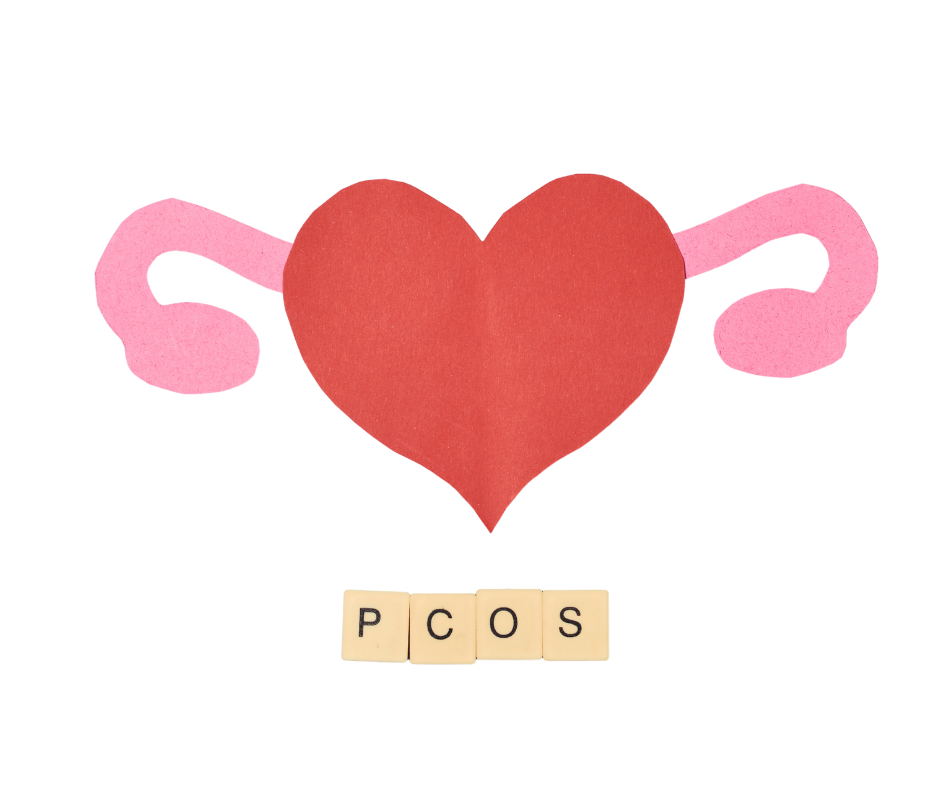
Polycystic ovary syndrome (PCOS) is a common hormone condition that affects how the ovaries work.
In PCOS, the ovaries may not release an egg regularly, and the body can make higher levels of certain hormones, like androgens (sometimes called “male hormones”). This can lead to irregular periods, acne, unwanted hair growth, or trouble getting pregnant.
PCOS is not the same for everyone—some women have more problems with their skin or cycles, while others may notice issues with weight, energy, or fertility. Because it can show up in different ways, it often takes time to get a clear diagnosis and a treatment plan that works for you.
The 4 Types of PCOS and Common Symptoms
Understanding the different PCOS subtypes can make it easier to know what’s happening in your body:
1. Classic PCOS
-
Features: high androgens (testosterone), irregular or absent ovulation, and multiple cysts on ultrasound.
-
Signs: acne, excess hair growth, hair thinning, irregular cycles, and difficulty conceiving.
2. Inflammatory PCOS
-
Driven by chronic low-grade inflammation.
-
Signs: fatigue, bloating, skin issues, period pain, and sometimes normal ovaries on ultrasound.
3. Adrenal PCOS
-
Marked by elevated adrenal androgens such as DHEA-S, often stress-related.
-
Signs: acne, mild excess hair, stress sensitivity, with cycles that may remain fairly regular.
4. Mild (non-hyperandrogenic) PCOS
-
Subtle hormonal shifts, often without obvious excess androgens.
-
Signs: mild cycle irregularities, occasional skin/hair changes, fewer metabolic issues.
PCOS and Fertility Challenges
 PCOS is one of the most common causes of irregular ovulation and difficulty conceiving. In fact, it is thought to be responsible for up to 80% of cases of anovulatory infertility. But that doesn’t mean pregnancy isn’t possible. Many women with PCOS go on to conceive, sometimes with a little extra support.
For those navigating PCOS and fertility, it can be useful to check hormone balance, thyroid function, vitamin D, iron, and metabolic health early (all of which we help you to investigate at our acupuncture clinic.)
Partner testing is equally important—fertility is always a team journey, and so we will take the time to understand any underlying male factors that may be getting in the way of pregnancy.
If you’d like to prepare your body before trying for a baby, acupuncture can be one of the supportive tools available, working alongside your medical care. Visit our Fertility Acupuncture page to learn more.
PCOS, Insulin Resistance, and Metabolic Health
Many people with PCOS also experience insulin resistance, where the body doesn’t respond as well to insulin. This can happen at any body size and may contribute to:
-
weight gain or difficulty losing weight
-
sugar crashes and fatigue
-
increased cholesterol or triglycerides
-
higher long-term cardiovascular risks
Lifestyle support such as nutrition, gentle exercise, and stress management, can make a significant difference. Even small changes in movement or sleep can improve insulin sensitivity and support ovulation.
What we tend to see in the clinic is that women strengthening the larger muscle groups ( such as the quadriceps) tend to get better results when it comes to glucose clearing and insulin resistance.
 A Holistic Approach: Diet and Exercise for the Four Types of PCOS

Alongside medical care, many women ask what they can do day-to-day to feel more in balance when they seek acupuncture for PCOS symptoms.
While there’s no one-size-fits-all diet or exercise plan for PCOS, certain approaches can be helpful depending on which type you relate to most.
Classic PCOS
-
Diet focus: Aim for steady blood sugar with balanced meals that combine protein, healthy fats, and fibre-rich carbs. Reducing processed sugars and refined carbs can help support insulin sensitivity.
-
Exercise focus: Resistance training (weights, bodyweight, or bands) and regular walking can both improve how your body uses insulin and encourage regular ovulation.
Inflammatory PCOS
-
Diet focus: Emphasise anti-inflammatory foods—think colourful vegetables, berries, olive oil, fish, nuts, and seeds. Limiting alcohol, processed meats, and added sugars may also calm inflammation.
-
Exercise focus: Gentle but consistent movement like yoga, Pilates, and swimming can reduce stress hormones and inflammation, while still supporting circulation and metabolism.
Adrenal PCOS
-
Diet focus: Prioritise balanced meals and regular eating patterns to stabilise blood sugar and stress responses. Including magnesium-rich foods (leafy greens, legumes, seeds) may help calm the nervous system.
-
Exercise focus: Opt for low-to-moderate intensity activity (walking, gentle cycling, light strength training) rather than high-intensity workouts, which can sometimes add more stress to the adrenals.
Mild (non-hyperandrogenic) PCOS
-
Diet focus: Chinese medicine for PCOS reccomends Overall balanced eating with plenty of fresh produce, lean proteins, and whole grains. Keeping meals consistent helps avoid blood sugar dips.
-
Exercise focus: A mix of cardio (brisk walking, jogging, dance) and strength training can keep cycles more regular and support overall well-being.
Western Medical Approaches to PCOS and Fertility
Doctors may recommend:
-
Metformin to address insulin resistance
-
Letrozole or clomiphene for ovulation induction
-
The oral contraceptive pill for cycle regulation
-
Anti-androgens for symptoms like acne and excess hair
These treatments don’t cure PCOS; however, they can be effective tools to help manage symptoms and improve fertility outcomes.
How PCOS Acupuncture May Support You
At Qi Medicine, we have seen thousands of women exploring PCOS acupuncture treatment Melbourne as part of their care.
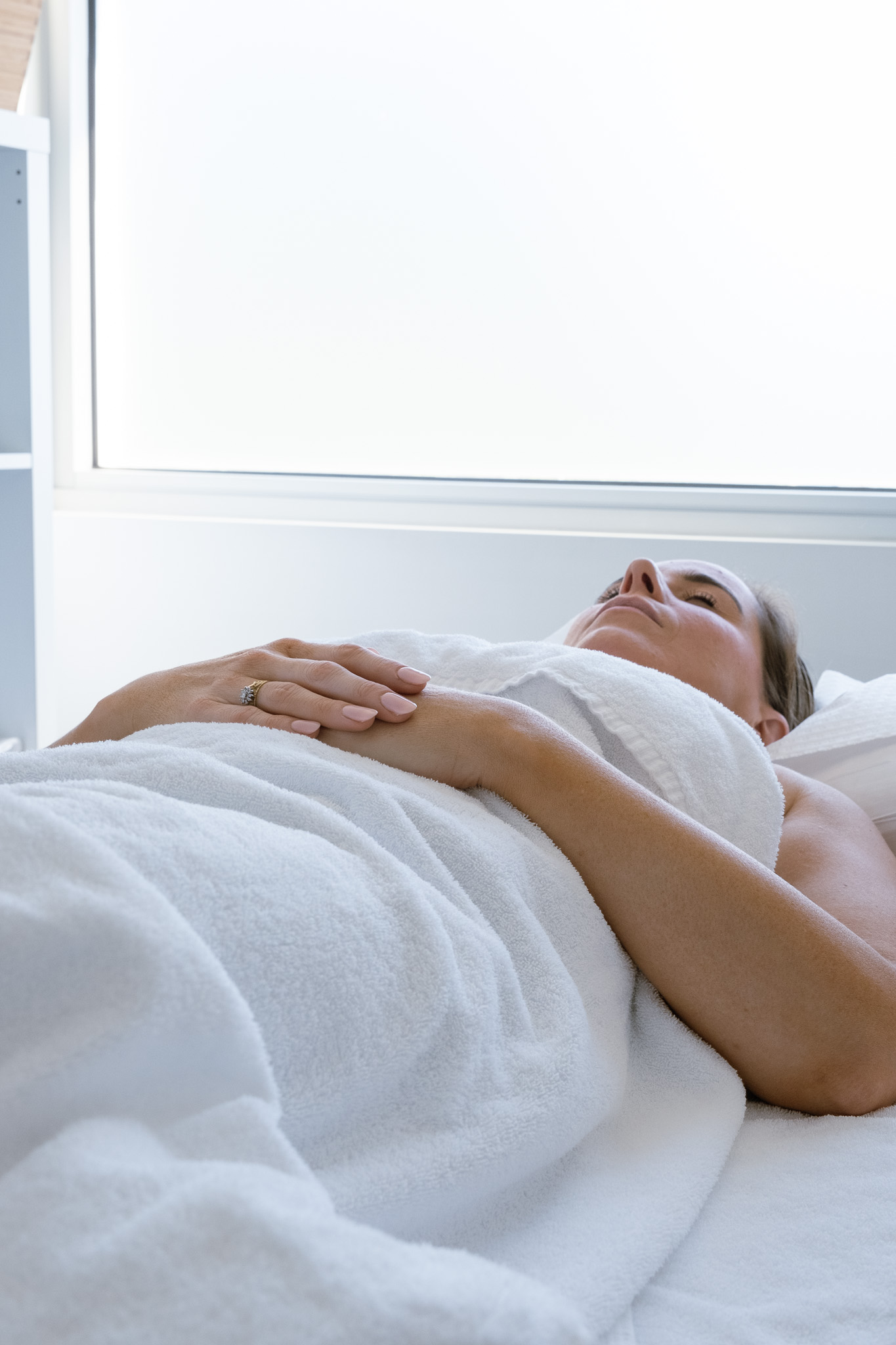
Research suggests acupuncture may be supportive of the stress and pain associated with PCOS, which in turn could have an impact on fasting glucose, insulin sensitivity, and cycle regularity. It may also provide support for stress, sleep, and overall well-being—all important for fertility.
We always tailor treatments to the individual. Depending on your presentation, sessions may include acupuncture, gentle lifestyle guidance, and, where appropriate, herbal medicine. Importantly, we’ll encourage collaboration with your GP or fertility specialist so your care is safe and integrated.
PCOS Acupuncture Melbourne: Your Questions Answered
Common questions about PCOS acupuncture at our Melbourne clinic.
Q: Can I get pregnant with PCOS? Yes — many women with PCOS do conceive, with or without additional support. PCOS is one of the most common causes of irregular ovulation, but irregular ovulation does not mean ovulation is absent altogether, and many women with PCOS go on to have healthy pregnancies. The path will look different for each person depending on which type of PCOS you have, your overall health, and whether other factors are involved. At Qi Medicine, we take time to understand your full picture before making any recommendations, and we always work alongside your GP or fertility specialist.
Q: How many acupuncture sessions do I need for PCOS? There is no single answer — it depends on which type of PCOS you have, how long you have had symptoms, your overall health, and what your goals are. In general, we recommend beginning with a course of treatments over several weeks to assess how your body responds, and we will give you a clear, realistic timeline at your initial consultation. We do not commit you to an open-ended programme — we set milestones and check in regularly.
Q: Does acupuncture work for all four types of PCOS? We tailor our approach to your specific PCOS presentation. The four types — Classic, Inflammatory, Adrenal, and Mild — each involve different hormonal and physiological patterns, and what is helpful for one type may be less relevant for another. This is why a thorough initial consultation matters so much. Rather than applying a one-size-fits-all approach, we assess your individual presentation and build a plan around it, which may include acupuncture, lifestyle guidance, and where appropriate, herbal medicine.
Q: Can acupuncture help with PCOS if I am not trying to conceive? Absolutely. Many of the women we see with PCOS are not currently trying for a baby — they are dealing with irregular or painful periods, acne, fatigue, weight changes, or the emotional load of living with an unpredictable cycle. Acupuncture and Chinese medicine can be used as a supportive approach for these concerns regardless of fertility goals, and we are experienced in supporting women with PCOS across all life stages.
Q: Can I have acupuncture for PCOS alongside my GP’s treatment or medication? Yes. We work collaboratively alongside your existing medical care, not in place of it. If you are taking Metformin, Letrozole, the oral contraceptive pill, or any other medication for PCOS, acupuncture can be used as a complementary approach. We will always ask about your current medications and treatment plan at your first appointment, and we encourage open communication with your GP or specialist throughout your care with us.
Q: What happens at my first PCOS acupuncture appointment at Qi Medicine? Your initial consultation is longer than a standard treatment session and is primarily a conversation. We take a detailed health history covering your cycle, symptoms, diet, sleep, stress levels, and any previous diagnoses or tests. We will ask to see any relevant blood test results if you have them — things like hormone panels, thyroid function, vitamin D, iron, and fasting glucose can all give us useful information. By the end of the appointment you will have a clear treatment plan with realistic goals and an honest sense of what to expect. We never rush an initial consultation.
Q: Can PCOS affect my thyroid, and can acupuncture help with both? PCOS and thyroid conditions — particularly Hashimoto’s thyroiditis and hypothyroidism — frequently co-occur, and the connection is well established in clinical research. Both conditions involve immune and hormonal dysregulation, and each can amplify the other’s symptoms. Women with PCOS who also have an underactive thyroid or autoimmune thyroid condition may find their cycle, energy, weight, and fertility are more significantly affected as a result. At Qi Medicine, we routinely recommend thyroid function testing as part of an initial PCOS investigation if it hasn’t already been done, as identifying this connection early can meaningfully change how we approach your care. Acupuncture and Chinese medicine are used as a supportive complement to medical thyroid management — not a replacement for it — and we work closely with your GP throughout.
PCOS acupuncture Melbourne – Bookings
Book online here or phone the clinic on (03) 8394 7665 to book your acupuncture treatment today.
Are we easy to get to?
Looking for a PCOS acupuncturist near you?
The clinic is located at Suite 4, Level 1, 151 Pascoe Vale Rd, Moonee Ponds. (Please ensure you take the ground floor elevator to reach us on level one.)
Qi Medicine acupuncturist for PCOS is minutes away from Ascot Vale, Essendon, Avondale Heights, Maribyrnong, and Brunswick West. We are a short drive to Keilor, Niddrie, Oak Park, Pascoe Vale, and Glenroy.
We are also close to Travancore, Flemington, Aberfeldie, and Maidstone, and we are just 10 km from Melbourne City.
Follow Qi Medicine on Instagram and Facebook and stay up-to-date with all the latest news.
References (for further reading)
-
International Evidence-Based Guideline for PCOS (2023) — comprehensive, Australian-led, with lifestyle, fertility and long-term health guidance. Monash University
-
Monash University PCOS Guideline hub — patient and clinician resources highlighting that PCOS affects roughly “one in eight.” Monash University
-
WHO PCOS Fact Sheet (2025) — global prevalence estimates (6–13%), under-diagnosis, and recognition as the commonest cause of anovulatory infertility. World Health Organization
-
Letrozole first-line for ovulation induction — international and Australian summaries/algorithms. Monash UniversityHormones AustraliaASRM
-
Cardiometabolic risk in PCOS — recent reviews on insulin resistance and cardiovascular risk factors. SpringerLinkMDPI